


Jack’s Bike is a compact, moto-cross-like motorcycle. It’s stored folded up in a rear cargo area of the Bubbleship when not in use. To get it ready to ride Jack:
- Unlocks the cargo pod from a button on his wrist
- Pulls it out of the Bubbleship
- Unfolds its components (which lock automatically into place)
- Rides off.
When Jack mounts the bike it automatically powers on and is ready to ride.


The bike is heavy, as shown by Jack’s straining to lift it out as well as the heavy sound it makes when he drops it on the ground. It is very solid, and no parts shift even when dropped from lifting height.
Purpose?
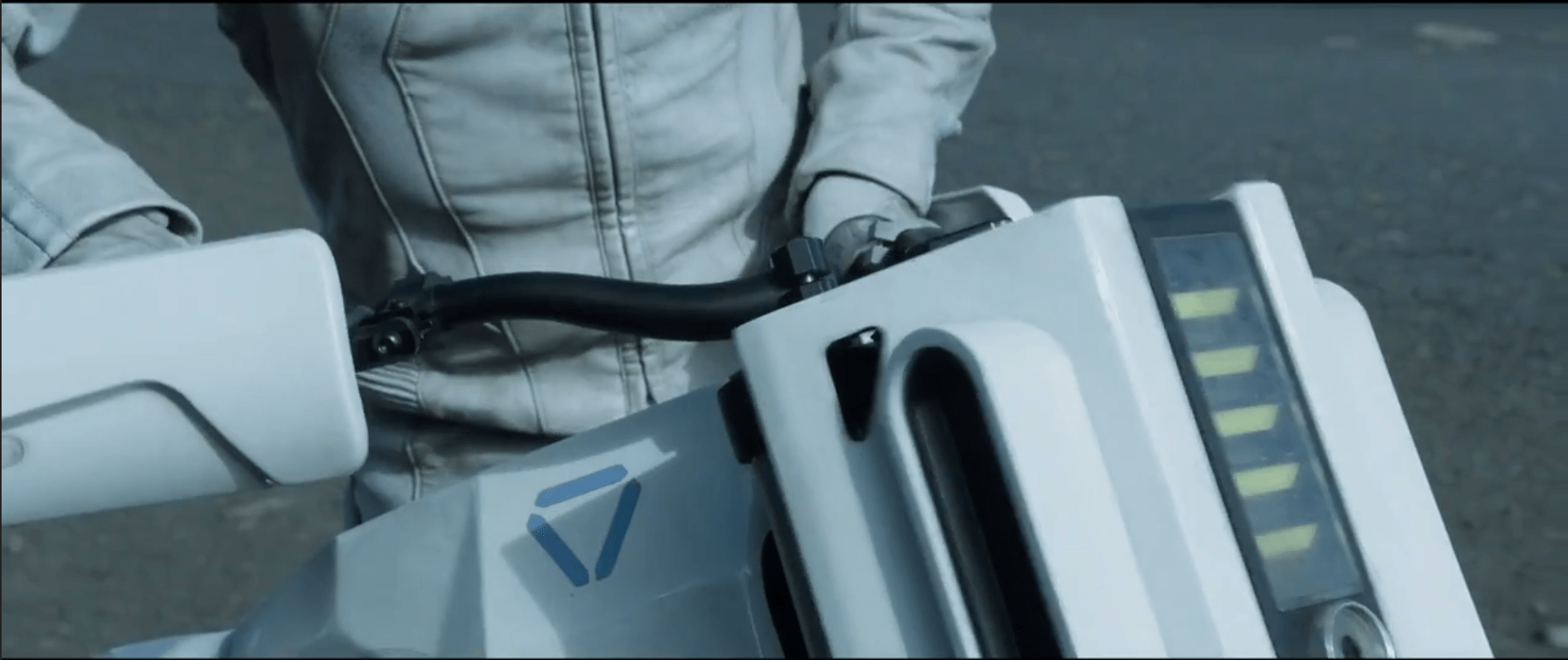
There is no obvious reason for Jack to use a bike instead of the Bubbleship. The bike does contain a small radar system, but such functionality could be easily integrated into the Bubbleship. Otherwise the Bubbleship is faster, more comfortable, has longer range, ignores the problems presented by difficult terrain, and has a better connection to the rest of Jack’s support network. So there’s no obvious functional advantage.
It makes more sense that this bike is a release for Jack’s exploratory personality. We see several times that Jack goes and does something brash or dangerous, simply to do something different and make his day more interesting. It’s part of who he is and how he engages with the world.
If so, then Jack simply likes taking the bike out for a ride. He is happy when he takes it out of the Bubbleship, and he does several unnecessary jumps on the bike just for fun. Even though the Bubbleship could have found the signal quicker and easier than the Bike, the bike was a more entertaining way to spend the day. We also see that, when things get serious, Jack quickly calls for Drone backup and is happy to see the Bubbleship waiting for him at the surface.
Let’s presume the TET saw these behaviors (or lost several early Jacks to boredom when this option wasn’t available), and created the bike to make him more happy and effective.
Delight Your Users
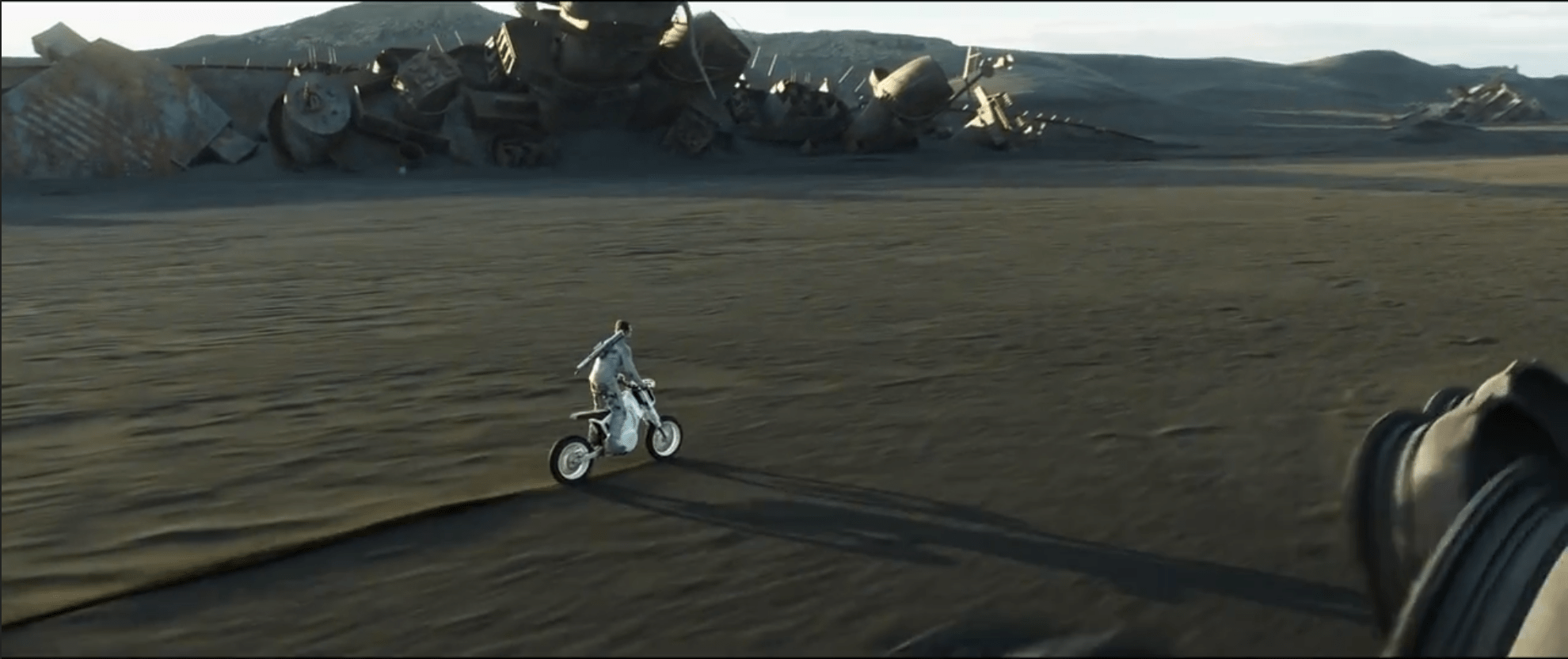
So here’s an interesting lesson: The most efficient tool for the job might not always be the most effective. A user’s experiential needs are just as important as their need to get the job done, and considering those needs may lead to a design that is satisfyingly fun.
That can be hard for designers who are focused on improving efficiency, and can be even more difficult for product teams. But if you can figure it out, it’s worth it.
After all, you don’t want to have to keep replacing your Jacks.